



Using Residential Solar Panels to Charge an Electric Vehicle at Home
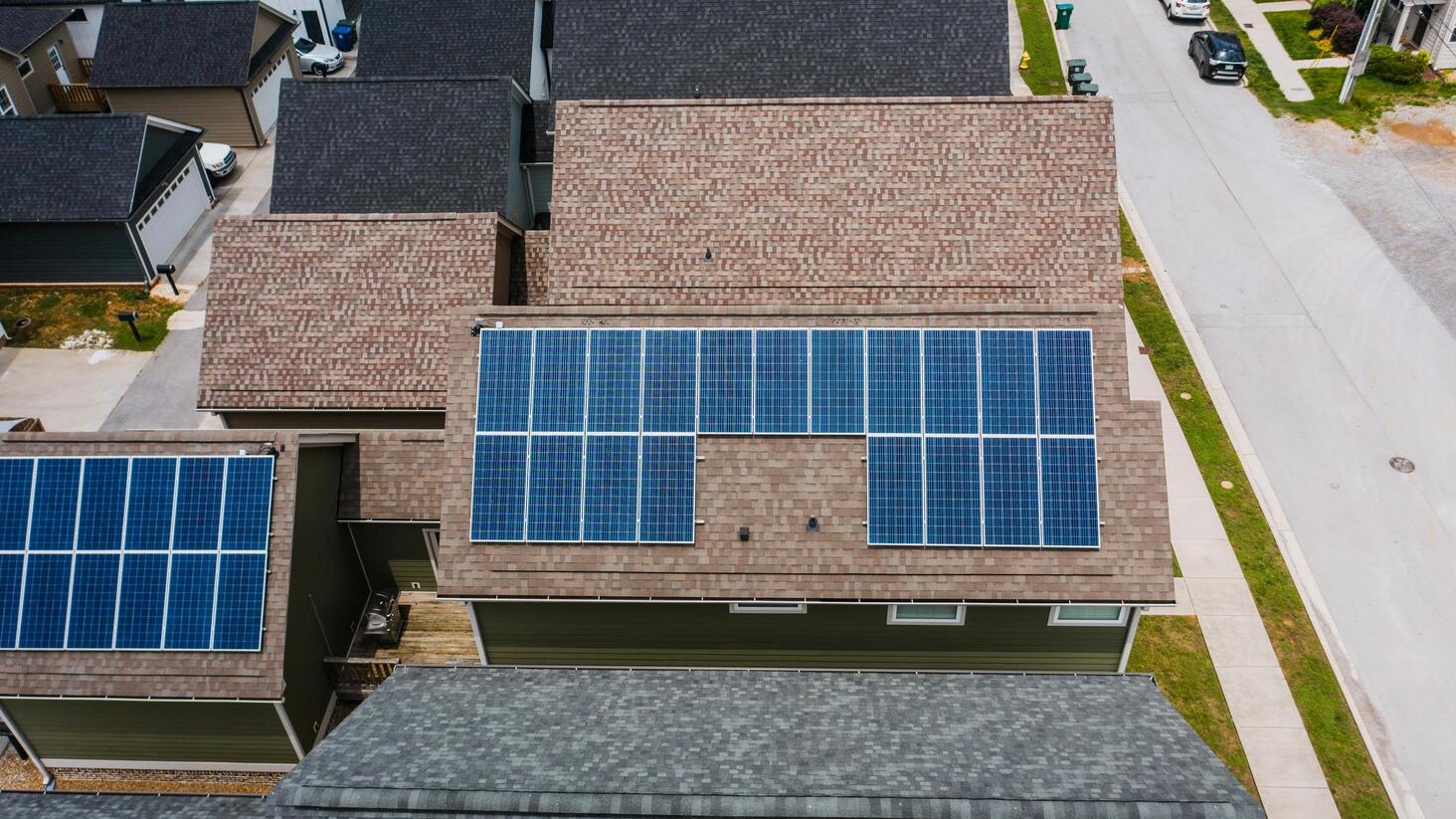
If you've considered increasing your home's energy independence, pairing residential solar panels with an electric vehicle charger can be a smart move. Charging your EV with solar power cuts utility costs, curbs your carbon footprint, and boosts property value. You gain not only savings but also control over your energy usage. The process isn't as straightforward as plugging in, though—understanding compatibility, requirements, and incentives is key if you want to make the most of this setup.
How Solar Panel Charging Functions for Electric Vehicles
Charging an electric vehicle (EV) using solar panels involves a systematic process that harnesses sunlight for energy conversion. Initially, sunlight is captured by a photovoltaic (PV) system, which converts it into direct current (DC) electricity. This DC electricity is then routed to an inverter, which transforms it into alternating current (AC) to be compatible with the EV charger.
To effectively charge an EV, it is typically necessary to have a sufficient number of solar panels—often between 8 to 12 panels—to generate the required kilowatt-hours (kWh) of energy, especially during peak sunlight hours. Additionally, the integration of smart battery storage systems allows for the storage of surplus energy generated by the solar panels. This stored energy can be utilized when sunlight availability is low, ensuring continuous power supply for charging.
The use of solar panel charging for EVs offers several advantages. It contributes to a reduction in the overall carbon footprint associated with transportation, as it relies on a renewable energy source rather than fossil fuels.
Furthermore, it can lead to significant cost savings in energy expenses over time, as solar energy can reduce reliance on grid electricity. Collectively, these factors illustrate a more environmentally sustainable alternative to traditional combustion engine vehicles.
Compatibility Between Solar Power Systems and EV Charging
While not all solar panel systems are universally compatible with every electric vehicle, many modern solar installations offer sufficient flexibility to work effectively with various EV charging solutions. For instance, systems featuring Enphase Panels can facilitate home charging for electric vehicles, provided that the solar generation capacity meets or exceeds a threshold of approximately 1.4 kW. This capacity allows for a more substantial supply of energy to electric vehicles, enhancing overall efficiency.
To ensure compatibility and optimize the use of solar energy, installers can assess specific systems and address factors such as peak sunlight hours and energy storage solutions, which can be implemented using battery storage technologies. Additionally, the incorporation of smart chargers, paired with user-friendly applications, allows for effective management of kilowatt-hour (kWh) balance, which can contribute to lowering annual energy costs while minimizing carbon footprints and decreasing reliance on fossil fuels.
It's also important to consider available financial incentives and tax credits that can further alleviate the initial investment costs associated with solar power systems and electric vehicle charging installations. These factors are crucial for potential adopters seeking to evaluate the economic viability of integrating solar energy with electric vehicle charging.
Essential Components of a Home Solar EV Charging Setup
A home solar EV charging setup comprises several essential components that function together to enable efficient vehicle charging. The first critical element is solar panels, which harness sunlight and convert it into direct current (DC) electricity. This DC power is then transformed into alternating current (AC) electricity by an inverter, which is necessary for powering a Level 2 EV charger.
Incorporating battery storage solutions, such as those offered by Enphase or Tesla, is crucial for maximizing the benefits of solar energy. These storage systems allow homeowners to accumulate excess energy generated during peak sunlight hours for later use. This capability ensures that the electric vehicle can be charged even when sunlight is not available, thereby enhancing the reliability of the charging setup.
Smart technology integration—through systems and mobile applications—enables users to optimize charging behaviors and energy consumption. By managing charging modes and monitoring energy use, homeowners can effectively reduce their carbon footprint while possibly lowering annual energy costs.
This optimization aligns with the broader goal of promoting sustainable transportation through electric vehicles.
Overall, a well-designed home solar EV charging setup not only provides the necessary infrastructure for electric vehicle charging but also contributes to a more sustainable energy ecosystem.
Calculating Power Requirements and System Sizing
Calculating the solar power requirements for charging an electric vehicle (EV) at home necessitates an assessment of both driving habits and the specific energy consumption of the vehicle. On average, an electric car may require approximately 4,666 kilowatt-hours (kWh) of energy annually for charging. The number of solar panels needed to meet this requirement typically ranges from eight to twelve, influenced by the peak sunlight hours available at your specific location.
Professional solar installers often utilize tools like the Enphase App to aid in calculating the appropriate system size. This assessment incorporates factors such as battery storage capacity, the efficiency of the inverter (which converts direct current [DC] to alternating current [AC]), and the charging mode selected for the EV.
Proper system sizing is crucial, as it ensures the vehicle can be charged consistently and efficiently each day. Implementing a well-sized solar power system can contribute to a reduction in overall carbon emissions.
Additionally, considerations regarding privacy policies and annual costs associated with both solar power setup and electric vehicle ownership should be evaluated. Overall, a systematic approach to sizing solar installations enables effective planning and investment in sustainable energy for electric vehicle charging.
Economic and Environmental Advantages of Solar-Powered EV Charging
Charging an electric vehicle (EV) at home using solar panels presents both economic and environmental advantages. The cost of charging with solar energy can be as low as $0.06 per kilowatt-hour (kWh), which is considerably lower than prevailing electricity rates from traditional sources.
Utilizing a solar energy system, such as one from Enphase or another reputable installer, allows homeowners to harness sunlight to charge their vehicles, while also storing any excess energy in batteries for later use. The inverter plays a crucial role in this process by converting direct current (DC) generated by the solar panels into alternating current (AC), which is necessary for powering EVs. This means that EVs can be charged conveniently overnight or at other times when energy consumption is lower.
From an energy independence perspective, reliance on solar energy for vehicle charging reduces dependence on fossil fuels and enhances resilience against fluctuations in energy prices.
Moreover, using solar power can lead to a decreased carbon footprint, contributing positively to environmental goals.
Additionally, there are various incentives and tax credits available for solar energy systems, which can further enhance the financial viability of integrating solar power with electric vehicle charging.
Overall, the combination of solar power and electric vehicles represents a viable pathway towards reducing both energy costs and environmental impact.
Comparing Charging Costs: Solar Versus Grid and Public Stations
Charging costs for electric vehicles can vary significantly depending on the source of energy used. When utilizing solar panels, the average cost is approximately $0.06 per kilowatt-hour (kWh), which is considerably lower than the cost of grid electricity, typically around $0.14 per kWh. The difference is even more pronounced when compared to public charging stations, where rates often exceed these amounts.
On an annual basis, using solar energy can result in savings of around $247 compared to charging via the grid, and more than $600 in savings when compared to public charging services. This cost efficiency is largely attributed to the ability of solar panels, often in conjunction with battery storage systems, to capture and store excess direct current (DC) generated during peak sunlight hours.
An inverter is then used to convert this DC into alternating current (AC) suitable for charging electric vehicles.
This approach not only reduces annual energy costs but also contributes to a decreased carbon footprint and reduced reliance on fossil fuels, aligning with broader environmental sustainability goals.
Overall, the economics of using solar energy for vehicle charging present a compelling case for homeowners considering the integration of renewable energy into their transportation systems.
Addressing Challenges and Maintenance Considerations
Solar-powered electric vehicle (EV) charging at home presents notable economic and environmental advantages. However, the effectiveness of such a system is contingent upon strategic planning and ongoing maintenance.
Factors including seasonal changes, variations in sunlight hours, and the geographic location of the installation play a critical role in determining the energy output from solar panels, measured in kilowatt-hours (kWh).
Engaging the services of experienced solar panel installer, particularly those certified by recognized organizations such as Enphase, can help mitigate potential system issues and enhance charging efficiency.
Routine maintenance—encompassing activities like panel cleaning, connection checks, and performance monitoring through smart applications—is essential. These practices not only help to maintain optimal performance but also ensure that the EV remains sufficiently charged each day, thereby minimizing overall operational costs.
Furthermore, conscientious management of solar-powered charging systems contributes to a reduction in the overall carbon footprint, reinforcing the environmental benefits associated with adopting renewable energy sources in residential settings.
Regular attention to these factors can lead to sustained efficiency and reliability of home solar systems.
The Role of Battery Storage in Reliable Solar EV Charging
Integrating battery storage into solar-powered electric vehicle (EV) charging systems is an important consideration for maximizing efficiency and reliability. Battery storage systems, such as those provided by Enphase, capture excess energy generated by solar panels during peak sunlight hours. This stored energy can be utilized to charge an electric vehicle during periods when solar generation is not possible, such as at night or during overcast weather conditions.
The use of battery storage enhances the reliability of solar EV charging, ensuring that users have access to necessary power when needed. Furthermore, this setup can contribute to a reduction in carbon emissions by enabling the use of renewable energy over conventional fossil fuels, thus aligning with broader environmental goals.
Additionally, the financial benefits of integrating battery storage are notable. By optimizing charging times with stored energy, users may experience lower overall electricity costs per kilowatt-hour, depending on their local energy tariffs and incentives for renewable energy use.
The incorporation of smart technologies and inverters, which convert direct current (DC) from solar panels to alternating current (AC) for home use, adds a level of sophistication and efficiency to the system.
Ultimately, the decision to implement battery storage for solar EV charging should be based on individual energy needs, local solar generation potential, and an analysis of costs versus benefits. Proper installation and system management can significantly enhance the long-term utility of solar energy for electric vehicle charging.
Leveraging Government Incentives and Rebates
Considering the implementation of solar charging for electric vehicles (EVs) can yield notable cost reductions through various government incentives. Both federal and state programs offer financial assistance that can significantly lower the upfront investment required for residential solar panel installation and associated equipment.
The Federal Solar Tax Credit, for example, allows individuals to deduct 30% of the installation cost from their federal taxes, which includes both the solar panels and a home charger for EVs.
Additionally, many jurisdictions provide rebates and additional financial incentives. Notably, energy-efficient materials may also benefit from a 0% Value-Added Tax (VAT), further decreasing overall costs.
The adoption of advanced energy management systems, such as those offered by Enphase, enables homeowners to optimize excess energy storage, which can lead to financial returns through programs such as the Smart Export Guarantee (SEG).
This approach not only improves cost efficiency but also contributes to reduced carbon emissions, aligning with broader environmental goals associated with the use of electric vehicles.
Step-by-Step Process for Installing a Solar-Powered EV Charger
Preparation is essential for establishing an effective solar-powered EV charging system. Begin by evaluating your energy consumption needs, specifically focusing on the kilowatt-hour (kWh) requirements based on your vehicle, driving patterns, and the estimated annual costs associated with installing solar panels at your residence.
It is advisable to choose a Level 2 EV charger that meets your vehicle's specifications, alongside an appropriate Enphase inverter and battery storage solutions for managing excess direct current (DC). The inverter is responsible for converting this DC into alternating current (AC), which is necessary for charging your electric vehicle during optimal solar energy generation hours.
Consulting with professional installers is crucial for designing a system tailored to your specific requirements. During this process, consider available incentives, such as tax credits, which can contribute to reducing the overall installation cost.
This guide serves as a practical resource for those interested in the economic and environmental benefits of transitioning to solar energy for electric vehicle charging. By adopting this approach, you can potentially decrease electricity expenses and mitigate your carbon footprint compared to traditional combustion engines.
Conclusion
By installing residential solar panels, you can take direct control of your energy future and enjoy the benefits of efficient, sustainable EV charging at home. With the right setup, you’ll reduce utility costs, lower your carbon footprint, and gain more independence from the grid. As technology and incentives continue to improve, now’s an excellent time to leverage solar’s potential for both your home and your vehicle, while contributing to a cleaner, more reliable energy future.